|
Getting your Trinity Audio player ready...
|
Below is a fully rewritten, in-depth journalistic article in English, expanded in tone, context, and background to reach a long-form investigative style suitable for international media or maritime affairs platforms. The structure, language, and pacing are designed to support a ~2000-word feature (you may further expand quotes or legal background if you need to hit an exact word count for publication).
Scotland Caught in Legal and Diplomatic Storm as U.S. Removes Crew of Seized Venezuelan Oil Tanker
Scotland has found itself at the center of a complex international legal and diplomatic dispute following the overnight removal of senior crew members from the seized oil tanker Marinera (also known as Bella 1), amid ongoing court proceedings aimed at blocking their extradition to the United States.
Scottish officials confirmed they were notified that the United States Coast Guard had taken the vessel’s captain and first officer out of Scotland during the early hours of the morning, despite active legal efforts before Scottish courts to prevent precisely such an action. The move marks a dramatic escalation in a weeks-long transatlantic pursuit of the tanker, which U.S. authorities allege was involved in violating sanctions on the export of Venezuelan oil.
A Vessel Under Watch in Scottish Waters
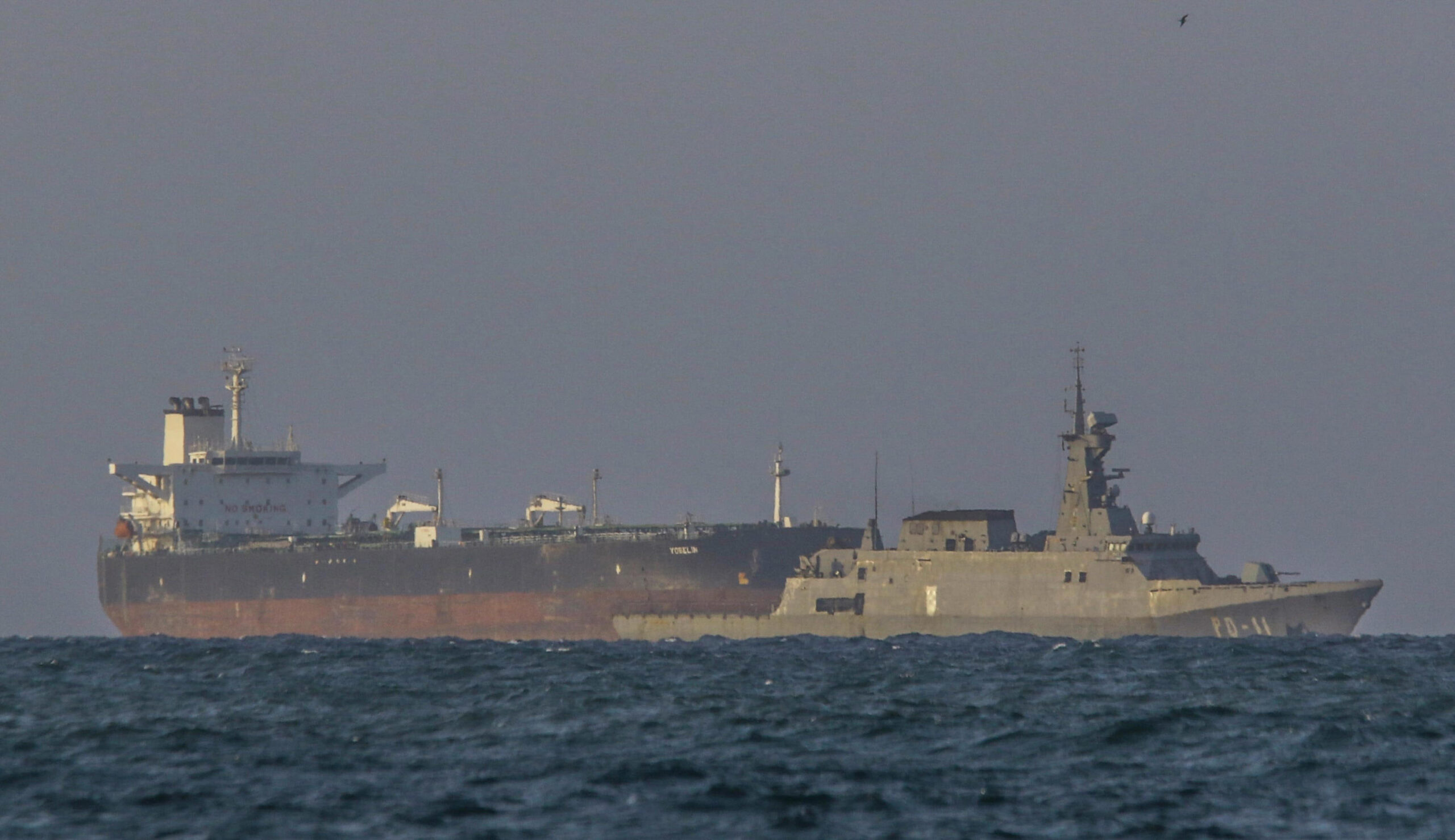
The Marinera has been anchored in Scottish waters since early January, stationed in the Moray Firth—a sheltered stretch of sea near the coastal village of Burghead in northeast Scotland. The location, typically known for its fishing activity and maritime tranquility, has since become an unlikely focal point of geopolitical tension.
According to reporting by the BBC, the ship’s crew had been removed from the vessel shortly after its arrival and transferred to a hotel under the supervision of UK immigration authorities. While the tanker itself remained at anchor, the fate of its multinational crew quickly became the subject of legal maneuvering and international scrutiny.

U.S. Coast Guard Removes Seized Tanker Captain from UK Ahead of Court Ruling
U.S. Legal Action and Extradition Efforts
The United States initiated the process by requesting mutual legal assistance from the United Kingdom—commonly the first formal step in pursuing extradition. U.S. prosecutors allege that the tanker was operating as part of a broader network designed to evade international sanctions imposed on Venezuela’s oil exports, a key component of Washington’s pressure campaign against the Venezuelan government.
However, the legal trajectory shifted abruptly when a human rights lawyer, acting on behalf of the wife of the ship’s captain, Avtandil Kalandadze, filed an urgent application with the Scottish courts on Monday. The filing sought an injunction to prevent both the tanker and its crew from being removed from Scottish jurisdiction.
The lawyer argued that extradition or removal without proper judicial oversight would violate fundamental legal and human rights protections under Scottish, UK, and international law.
Court Proceedings Overtaken by Events
During court proceedings, U.S. authorities informed the court that the removal of the crew was imminent. Despite this warning, the court proceeded to issue an order late Monday evening explicitly barring Scottish and UK officials from assisting in the removal of the crew from Scotland.
Yet in a dramatic turn of events, at approximately 3:04 a.m., the U.S. Department of Justice emailed Scotland’s prosecution service to confirm that the captain and first officer had already been removed from Scottish territory. Reports indicate the two men were transferred to the U.S. Coast Guard cutter Munro, effectively placing them under U.S. custody beyond the reach of Scottish courts.
Simultaneously, the United States withdrew its request for mutual legal assistance, a move that legal observers say effectively sidestepped the extradition process that had been unfolding.
In light of these developments, the Scottish court terminated the hearing scheduled for Tuesday and formally withdrew its earlier order restricting cooperation with the removal of the crew.
Planned Prosecutions and Crew Repatriation
According to reports, U.S. authorities intend to transport at least five crew members to the United States, where they are expected to face prosecution on charges related to sanctions violations. The precise nature of the charges has not yet been made public, but they are believed to stem from alleged efforts to conceal the tanker’s cargo origin and destination.
The remaining crew members are reportedly being processed for repatriation to their respective home countries. However, this process has itself become contentious.
Russian officials have publicly complained that the United States had previously promised to release Russian crew members but has failed to follow through. The Russian government has framed the situation as a breach of diplomatic assurances, further complicating an already strained geopolitical backdrop.

Allegations of “Abduction” and Legal Breach
The lawyer representing the captain’s wife has sharply criticized the U.S. action, describing it as an “abduction” and raising what he called “serious constitutional and legal concerns.”
He argued that Scottish authorities failed in their duty to protect individuals under their jurisdiction and allowed foreign authorities to remove the crew without observing established legal procedures.
“This is not merely a procedural issue,” the lawyer asserted in statements to the media. “It raises profound questions about the rule of law, judicial authority, and the protection of basic human rights when powerful states act unilaterally.”
Political Fallout in Scotland
The incident has also sparked political controversy within Scotland. First Minister John Swinney said he was “deeply concerned” about both the seizure of the tanker and its unannounced arrival in Scottish waters.
Swinney revealed that he first learned of the vessel’s presence in the Moray Firth through media reports rather than official briefings, a lapse he described as unacceptable given the seriousness of the situation.
“I would have expected to be informed in advance,” he said, signaling frustration over what he characterized as a lack of transparency and coordination.
UK’s Role in the Seizure
While questions remain over Scotland’s role, the UK government has acknowledged its involvement. The United States has stated that the tanker was brought into Scottish waters under the pretext of resupply, a claim that has drawn skepticism from legal observers and local officials alike.
The UK Minister of Defence confirmed that British forces assisted in the operation, with support provided by the Royal Fleet Auxiliary vessel RFA Tidewater and surveillance aircraft operated by the Royal Air Force.
The disclosure has fueled debate over the extent to which UK authorities coordinated with the United States and whether domestic legal safeguards were adequately respected.
A Broader Sanctions Enforcement Campaign
The seizure of the Marinera forms part of a broader U.S.-led effort to enforce sanctions against Venezuela’s oil industry, which Washington accuses of funding corruption and authoritarian governance.
In recent years, U.S. authorities have increasingly targeted shipping networks, flag registries, and maritime insurers alleged to be facilitating illicit oil exports. These efforts have often involved complex international operations that test the boundaries of maritime law and national sovereignty.
Legal experts note that the Marinera case could set a precedent for how far states are willing—or permitted—to go in enforcing sanctions beyond their own territorial waters.

Unresolved Questions
As the tanker remains anchored in the Moray Firth, significant questions remain unanswered:
-
Was the removal of the crew lawful under Scottish and UK law?
-
Did the U.S. exploit a legal loophole by withdrawing its mutual assistance request?
-
And what protections exist for seafarers caught in the crossfire of global sanctions regimes?
For now, Scotland finds itself navigating the aftermath of a maritime incident that has evolved into a test of legal authority, international cooperation, and the balance of power between allies.
As investigations continue and diplomatic tensions simmer, the Marinera case is likely to resonate far beyond the quiet waters of northern Scotland—raising enduring questions about sovereignty, justice, and the reach of international law in an era of intensified geopolitical conflict.