|
Getting your Trinity Audio player ready...
|
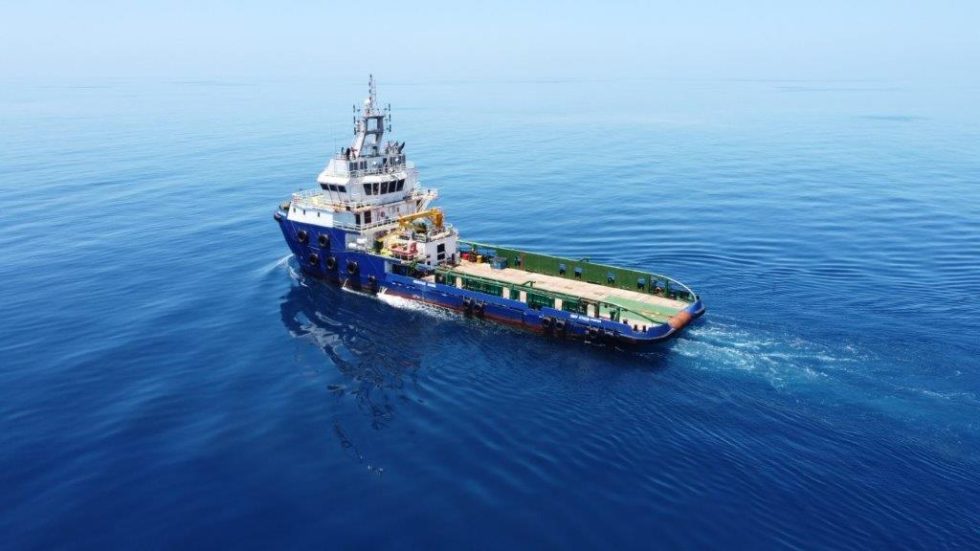
As Asia’s offshore wind sector accelerates at record speed, vessel operators are facing mounting pressure to adapt to increasingly demanding operational environments while also meeting ambitious sustainability goals. The region’s transition toward deeper, more remote wind farms is creating a strong need for high-performance, fuel-flexible vessels and propulsion systems capable of enduring harsh conditions while cutting emissions.
Marine Log spoke with Will Watson, Product Manager at Caterpillar Marine, to explore how hybrid, electric, and fuel-flexible technologies are helping operators balance performance, cost efficiency, and environmental responsibility in this fast-growing industry.
Meeting the Challenges of Deeper, Harsher Operations
Watson explains that as offshore wind farms in Taiwan, Korea, Japan, and Australia move into deeper waters, the operational environment has become significantly more complex. “These projects require vessels with greater power and resilience to ensure continuous operations under demanding conditions,” he said. “At the same time, many operators have their own sustainability objectives, which often require higher upfront investment.”
Fuel Flexibility and Hybrid Power: A Dual Strategy for Sustainability
Hybrid, electric, and fuel-flexible systems are becoming central to meeting both performance and sustainability demands. According to Watson, “Fuel flexibility is vital—especially since biofuel availability varies by region. Biofuels can be a key part of balancing operational performance with reduced lifecycle greenhouse gas (GHG) emissions.”
Battery systems, he adds, play a crucial supporting role by improving load management, reducing fuel consumption, and cutting emissions while maintaining power availability for high-demand periods.
Taiwan’s Dong Fang Offshore Leads by Example
A leading example of fuel-flexible fleet transformation is Dong Fang Offshore (DFO) in Taiwan. Collaborating with Caterpillar Marine, Capital Machinery Limited (the local Cat dealer), PON Power, and VARD, DFO is implementing a strategy to lower emissions without compromising performance.
The company is standardizing its fleet around Cat C32 propulsion engines, along with C4.4 and C7.1 auxiliary engines for crew transfer vessels (CTVs). Meanwhile, its service operation vessels (SOVs) are powered by Cat 3516 and 3512 gensets.
“These technologies are designed to operate on lower-carbon fuels like biodiesel and hydrotreated vegetable oil (HVO), which can significantly reduce lifecycle GHG emissions,” Watson said. “Moreover, our 3500E series engines are methanol-ready, providing crucial flexibility for future fuel transitions as methanol becomes available in Taiwanese ports.”
Preparing for a Methanol-Powered Future
Methanol is emerging as a key enabler of long-term sustainability in offshore wind support operations. Watson emphasized that “wind farm developers increasingly want their support vessels to align with their own sustainability goals. DFO’s investment in methanol-ready engines positions them to make that transition smoothly once methanol is accessible in their region.”
Hybridization and Retrofit Solutions Enhance Efficiency
Caterpillar’s hybrid and electric solutions are being integrated not only into new builds but also into existing fleets through retrofit programs. Watson highlights DFO’s approach as a model example: “Their strategy demonstrates how vessel operators can achieve significant GHG reductions and cost savings through engine standardization and hybridization.”
By starting with specific operational goals—whether reducing emissions, cutting fuel costs, or optimizing total cost of ownership—Caterpillar designs customized power solutions engineered to deliver measurable results.
Reliability in Rough Seas
For offshore wind operations, uptime and reliability are non-negotiable. Watson explained that Caterpillar’s hybrid and fuel-flexible systems are designed with these priorities in mind. “Fuel flexibility ensures vessels remain operational regardless of what fuels are available at a given port,” he said.
“All Caterpillar marine engines can operate on renewable diesel (HVO) and biodiesel, while our dual-fuel 3500 series can also run on methanol. This flexibility supports continuous operations, minimizes downtime, and simplifies logistics through fleet standardization.”
Looking Ahead
As Asia continues to lead the offshore wind expansion, vessel operators are seeking technologies that combine resilience with sustainability. Caterpillar Marine’s investment in fuel-flexible, hybrid, and electric power systems reflects the broader industry shift toward cleaner, more adaptable operations capable of thriving in the demanding offshore environment.
Through partnerships with forward-thinking operators like DFO, Caterpillar is helping to chart a new course for sustainable offshore wind vessel operations—one where performance, reliability, and environmental stewardship move forward in tandem.