|
Getting your Trinity Audio player ready...
|
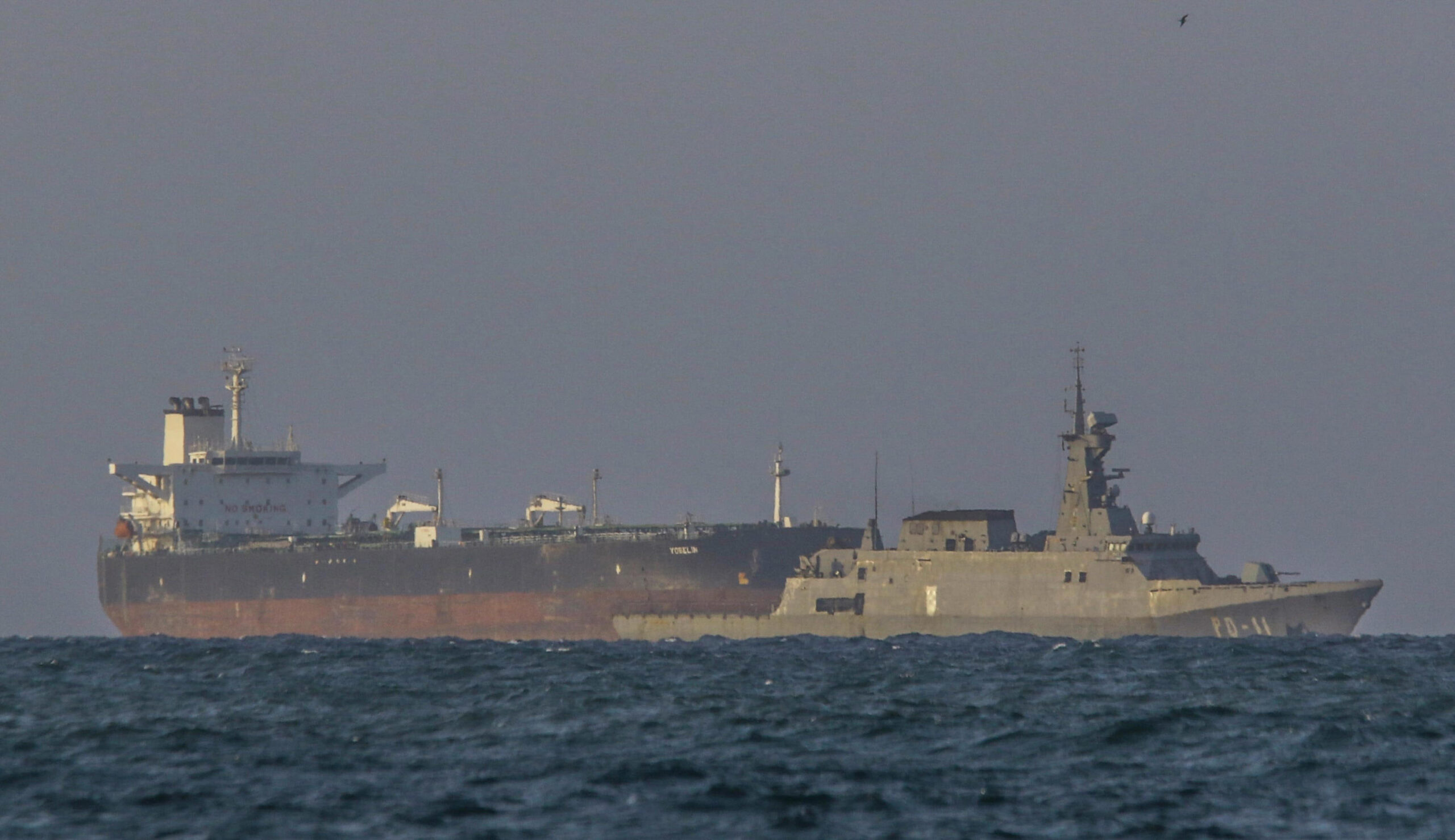
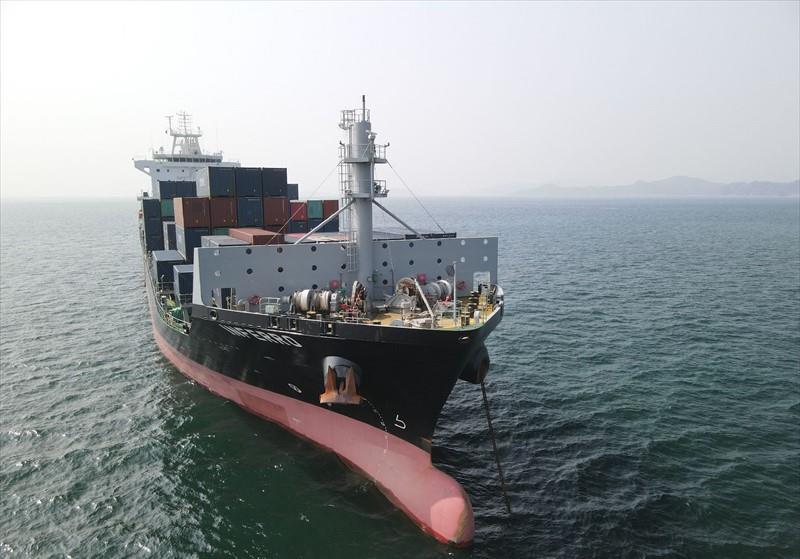
The European Union is reportedly preparing to target companies involved in organizing false flags for tankers supporting Russia’s oil trade, marking the latest effort to dismantle the so-called “shadow fleet.” According to Bloomberg, three companies based in Saint Maarten, Aruba, and Curaçao are under consideration for inclusion in the EU’s upcoming 19th sanctions package after allegedly providing fraudulent registrations for at least eight vessels.
This new round of sanctions—still under discussion by the European Commission—will primarily focus on tightening restrictions on Russia’s oil and gas sector. European Commission President Ursula von der Leyen has reiterated that Europe must “end the flow of money to Russia” used to fund the war in Ukraine, including by accelerating the phase-out of Russian LNG imports.
The proposed measures would extend sanctions to an additional 120 tankers and, for the first time, to the companies facilitating false flag operations. To date, the EU has already sanctioned more than 500 ships out of an estimated 1,000-vessel fleet that transports Russian energy products around sanctions and price caps.
Authorities in Sint Maarten had warned as early as July about “fraudulent operations” falsely promoting an international ship registry and issuing counterfeit seafarer certifications. The Netherlands has since alerted the International Maritime Organization (IMO) to these illicit practices. Sint Maarten, Aruba, and Curaçao are not signatories to the Paris Memorandum of Understanding (MOU) and are therefore not recognized as maintaining legitimate international registries. Sint Maarten officials said they have been working with global partners for the past five years to curb the misuse of their flag.
According to data from Equasis, there are currently 16 vessels falsely claiming Sint Maarten registration, down from 20 at the end of July. The list includes nine crude oil tankers—two of which exceed 130,000 deadweight tons (dwt)—and four product tankers. The problem is even more pronounced in Aruba and Curaçao, where Equasis reports 24 and 27 false flag cases, respectively. Curaçao’s list includes nine crude oil tankers (six ranging from 150,000 to 160,000 dwt), nine product tankers, and two LPG carriers. Aruba’s false registry allegedly covers five crude tankers, nine product tankers, and two LPG carriers.
European countries have been ramping up enforcement actions to stem the growth of the shadow fleet. France recently detained a notorious tanker suspected of operating under a fraudulent flag. Denmark announced plans to step up environmental inspections at a major anchorage near the Baltic Sea, while Sweden is increasing surveillance of vessels in its waters.
Despite these coordinated efforts, the number of tankers participating in Russia’s shadow fleet continues to rise. Any expansion of the EU’s sanctions framework will still require unanimous approval from all member states.