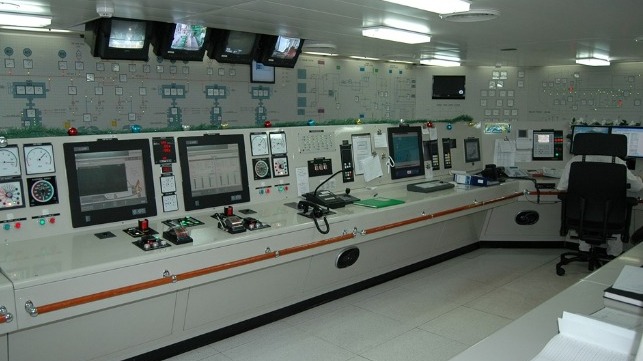
For years, mariners have quietly expressed frustration over the relentless cacophony of alarms aboard modern ships. Engine control rooms, designed to monitor and protect the vessel’s vital systems, have increasingly become spaces dominated not by operational oversight but by the constant, unrelenting chorus of beeps and buzzes. The sound that is meant to protect has, paradoxically, begun to compromise safety. Alarm fatigue, a phenomenon well-documented in other high-stakes industries such as healthcare and aviation, is now surfacing as a pressing concern in maritime operations.
A comprehensive study conducted by Lloyd’s Register (LR) has laid bare the magnitude of this problem. Alarm proliferation is not a minor annoyance; it is a systemic issue that threatens operational safety and crew welfare alike. The findings suggest that the way ships handle alarms today—often with an overwhelming number of alerts and little consideration of their relative importance—is driving crews toward unsafe coping mechanisms, eroding trust in machinery, and even contributing to serious incidents at sea.
A Closer Look at Alarm Fatigue
Alarm fatigue occurs when personnel are exposed to excessive alerts, causing them to become desensitized. In practical terms, this means that crew members may begin to ignore alarms, delay responses, or develop workarounds to prevent the constant interruptions. While the phenomenon has long been recognized in shoreside industries, where safety standards call for limiting alarms to no more than 30 events per hour, the maritime sector appears to be lagging behind.
LR’s research, which analyzed 11 vessels over 2,000 operational days, captured a staggering 40 million alarm events. The scale of the problem became particularly evident aboard one cruise ship, where alarm rates peaked at approximately 2,600 per day. To put that into perspective, that is nearly 110 alarms per hour, almost four times the recommended maximum used in industrial control environments. This relentless stream of alerts creates an exhausting work environment and challenges the ability of the crew to respond effectively.
The consequences of such alarm overload are tangible. On vessels with unattended machinery spaces, alarms demanded crew attention during rest periods more than 60 percent of the time, a clear indicator that fatigue and stress levels among engine room personnel are likely elevated. The result is not merely discomfort; it is a serious safety risk.

The Human Cost of Alarm Overload
Alarm fatigue has both psychological and operational consequences. The rapid-fire nature of alarms undermines trust in the ship’s systems and erodes morale. Crew members, understandably frustrated by what they perceive as constant noise, often resort to coping strategies that can create latent risks.
LR’s report notes that some personnel are “forced to silence alarms without acknowledgement or physically bypass alarm circuits, normalizing unsafe practices.” These workarounds, while providing immediate relief from the constant interruptions, compromise the system’s integrity. When alarms are ignored or silenced routinely, there is a heightened risk that a genuine issue could go unnoticed until it escalates into a serious problem. Alarm fatigue is not merely theoretical; it has been linked to real-world maritime incidents, including the Viking Sky blackout, the fire aboard MPV Everest, and the loss of the Umoe Ventis.
Interviews with engineers reinforced these findings. Watchstanders in engine rooms frequently resort to “silencing” alarms instead of acknowledging them. While this stops the chattering alarms, it also masks any subsequent changes in the system. Alarms that might otherwise indicate a serious developing problem are blocked from repeating, leaving crews unaware that conditions have worsened. Alarm usefulness—the proportion of alarms that crews considered worthy of action—was found to be less than 10 percent, underscoring that the vast majority of alerts are either false or trivial.
Understanding the Sources of Alarm Overload
Alarm fatigue is not just a function of poor human response; it is also a technical problem. Many alarms are triggered by faulty sensors, improper installations, or other preventable technical issues. The proliferation of these alarms often reflects underlying mechanical or operational deficiencies rather than an actual emergency.
LR’s research identified a straightforward approach to alleviating alarm fatigue: tackle the root causes. By addressing the systems responsible for the most frequent alarms, overall alarm volume can be dramatically reduced. In fact, the study found that addressing just the top 10 most recurrent alarms aboard a vessel could reduce total alarm events by up to 40 percent. This is not a complex or high-cost solution; it requires standard marine engineering skills and a commitment to identifying and correcting the proximate causes of recurring alerts.
According to the report, “Ensuring the correct tuning of physical processes and instrumentation is vital—fixing the process is a fundamental first step before attempting to eliminate or ‘fix’ alarm systems.” Simply adjusting alarm settings or removing alerts without addressing the underlying problems could mask hazards, leaving the vessel and crew at greater risk.
Operational and Organizational Impacts
Alarm fatigue also has organizational consequences beyond immediate safety risks. On one vessel, severe alarm problems were found to be driving high staff turnover in the engineering department. Constant interruptions, sleep deprivation, and stress can demoralize crews, erode cohesion, and make retention a significant challenge. The human cost translates directly into operational inefficiencies and higher costs, highlighting that the consequences of alarm fatigue extend far beyond the engine room.
Crew members caught in the cycle of endless alarms may also experience cognitive overload, reducing their situational awareness and capacity for effective decision-making. Alarm fatigue, therefore, is both a human factors issue and a systems issue—a problem that requires solutions addressing both engineering design and operational practice.
Lessons from Other Industries
Shore-based industries, particularly process engineering and healthcare, have long understood the perils of alarm overload. Hospitals, for instance, have developed sophisticated alarm management protocols, integrating risk assessment, prioritization, and human-centered design to minimize desensitization. Similar approaches in maritime operations could yield significant safety benefits.

Key strategies include:
-
Prioritization of Alarms: Not all alerts are equally critical. Implementing tiered alarm systems that differentiate between urgent, high-risk events and minor notifications can help crews focus attention where it matters most.
-
Root Cause Elimination: Fixing technical issues that repeatedly trigger false alarms reduces noise at its source.
-
Human-Centered Design: Designing alarm interfaces and alert systems with user cognition in mind, ensuring they are intuitive and actionable.
-
Continuous Monitoring and Review: Regular assessment of alarm patterns and crew responses allows for iterative improvements and keeps alarm management aligned with operational realities.
Applying these principles at sea is challenging but achievable. It requires commitment from both ship operators and regulatory authorities to prioritize safety over convenience and to invest time in evaluating alarm systems objectively.
Real-World Implications
The consequences of failing to manage alarms properly are not hypothetical. The Viking Sky blackout, the MPV Everest fire, and the loss of the Umoe Ventis all serve as sobering reminders of what can happen when crews become desensitized to repeated warnings. In each case, alarm fatigue played a contributing role, highlighting the stakes involved.
Moreover, the problem is systemic. As ships become increasingly automated, the reliance on alarm systems grows. Engine rooms and machinery spaces are often unattended for long periods, placing even more responsibility on remote monitoring systems. If alarms are ignored, silenced, or misunderstood, the automated processes that support the vessel can no longer be relied upon to maintain safety.
The Path Forward
Lloyd’s Register’s recommendations are clear: the maritime industry must commit to proactive alarm management. This involves a combination of technical, operational, and human-centered interventions. Fixing recurrent alarms, maintaining proper instrumentation, and implementing standards for alarm frequency are not optional—they are essential components of safe maritime operations.
Duncan Duffy, LR’s Global Head of Technology, emphasized the broader philosophy behind effective alarm management: “If the maritime industry is serious about safety, it must commit to continuous performance measurement, objective evaluation, and a human-centered approach to alarm system design. Only then can alarm systems fulfill their intended purpose—supporting crews, safeguarding lives, and ensuring safer voyages for all.”
The benefits of tackling alarm fatigue extend beyond safety. By reducing unnecessary interruptions, ships can improve crew well-being, reduce turnover, and enhance operational efficiency. Short-term gains, such as lower alarm frequency and less stress during watch periods, combine with long-term advantages in safety culture and performance reliability.

Conclusion
Alarm fatigue is a silent but pervasive threat in maritime operations. It arises not from negligence but from the interaction of complex technical systems and human factors. As ships become more sophisticated, and as crews face increasing demands for vigilance, the need for intelligent alarm management has never been greater.
The solution is not more technology or louder warnings—it is smarter systems, better maintenance, and human-centered design. By addressing the root causes of frequent alarms, prioritizing alerts, and implementing thoughtful procedures, the industry can restore trust in its systems and safeguard the lives of those at sea.
Maritime safety depends not just on machinery or technology, but on the people who operate it. And when the people responsible for monitoring a ship’s vital systems are overwhelmed by noise, even the best technology can fail. Tackling alarm fatigue is therefore not merely a technical task—it is a moral and operational imperative, one that demands attention today before the next preventable incident occurs.
The call to action is clear: reduce alarm noise, restore crew confidence, and treat alarm systems as tools to aid human judgment rather than replace it. Only through careful design, rigorous maintenance, and attention to human factors can alarms serve their true purpose—keeping lives safe and voyages secure.