|
Getting your Trinity Audio player ready...
|
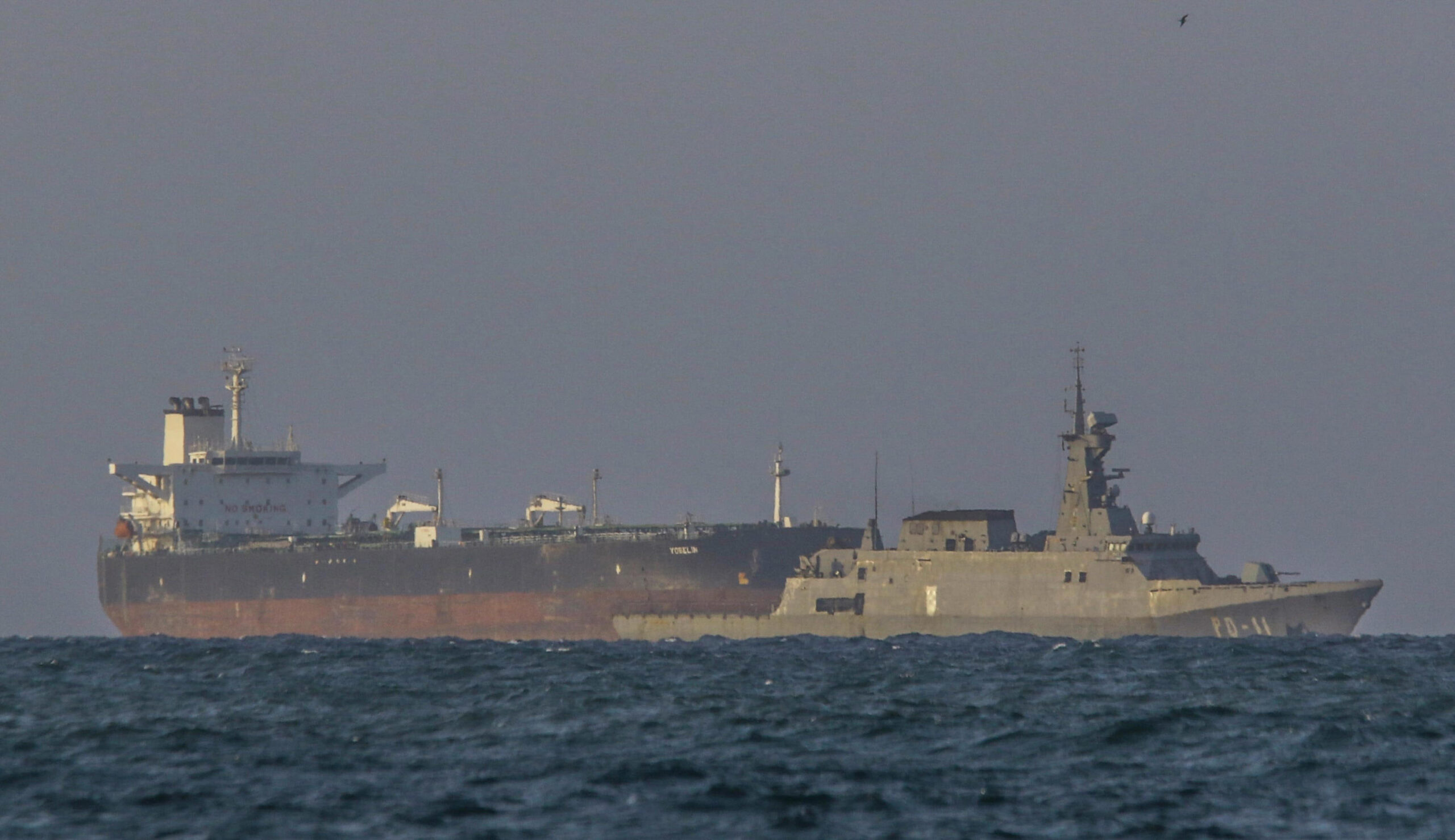
The Russian intelligence-gathering vessel Yantar has previously drawn the attention of British forces, but according to the UK Ministry of Defence, its latest actions mark a serious escalation. The ship reportedly aimed laser beams at Royal Air Force pilots flying off the northern coast of Scotland—an act the British government described as a direct threat to safety and a reckless provocation.
In recent weeks, the Royal Navy deployed a Type 23 frigate alongside a P-8A Poseidon maritime patrol aircraft to closely monitor the movements of Yantar. The vessel belongs to Russia’s Main Directorate of Deep-Sea Research (GUGI), the highly secretive unit responsible for operating deep-diving minisubs used for covert missions, including the placement of underwater sensors and potential interference with critical subsea infrastructure. One of these subs, the Project 16810 Rus-class, can descend to depths of up to 20,000 feet and is launched from Yantar.
For British defense officials, the threat posed by Russian activity near underwater cables and pipelines has become a major strategic concern, and Yantar is seen as a symbol of Moscow’s efforts in this arena. While being shadowed by UK forces, members of Yantar’s crew allegedly directed a laser at a British aircraft—an action Defence Secretary John Healey condemned as “deeply dangerous.”
“We have military options prepared if Yantar alters its course,” Healey warned. “I will not disclose them, as doing so would only benefit President Putin. My message to Russia is clear: we see you, we understand your intentions, and if Yantar moves south this week, we are ready.”
The Russian Embassy in London rejected all accusations, labeling the UK’s claims as “Russophobia” and “militaristic hysteria.” It urged Britain to avoid taking any steps that could further destabilize the security situation in Europe.
The confrontation comes amid rising tensions across the region. Earlier this week, Polish authorities revealed that saboteurs funded by Russia detonated explosive charges on a key railway line in eastern Poland. Although casualties were avoided thanks to early detection of the damaged tracks, the incident prompted a strong response: Poland shut down the last remaining Russian consulate, accused Moscow of engaging in state terrorism, and arrested four individuals, with operations ongoing to capture additional suspects.
The growing series of incidents underscores the increasingly fraught nature of European security, where covert operations, hybrid threats, and military brinkmanship continue to raise the stakes across the continent.