|
Getting your Trinity Audio player ready...
|
The International Maritime Organization (IMO) is intensifying its efforts to prepare seafarers for the global shipping industry’s energy transition. The aim is to ensure that crews receive the knowledge and skills needed to safely operate ships powered by zero- or near-zero emission fuels, in line with the IMO’s updated greenhouse gas reduction strategy.
As part of this initiative, IMO has published Generic Interim Guidelines on Training for Seafarers on Ships Using Alternative Fuels and New Technologies (STCW 7/Circ.25). These guidelines provide a global framework for developing and approving training programs for seafarers working on vessels powered by alternative fuels or equipped with advanced technologies.
Work is also underway on fuel- and technology-specific interim guidelines. These include training standards for ships using methyl/ethyl alcohol, ammonia, hydrogen, LPG, battery systems, and fuel cells. The proposed guidelines will be reviewed by the IMO Sub-Committee on Human Element, Training and Watchkeeping (HTW 12) in February 2026.
Ultimately, these interim measures are expected to form the foundation for mandatory requirements under the revised 1978 STCW Convention Code, currently being updated to address decarbonisation, digitalisation, and other industry transformations.
In addition to regulatory progress, IMO is extending its support to Member States through a variety of initiatives, such as:
-
A three-year Japan-funded program to train instructors from Asian nations in LNG-fuelled vessel operations.
-
Collaboration with the World Maritime University to develop training materials on alternative fuels, contributing to the Maritime Just Transition Task Force frameworks launched in September.
-
Support for trainers in developing countries to create locally tailored courses, complemented by e-learning modules under the GreenVoyage2050 Programme.
-
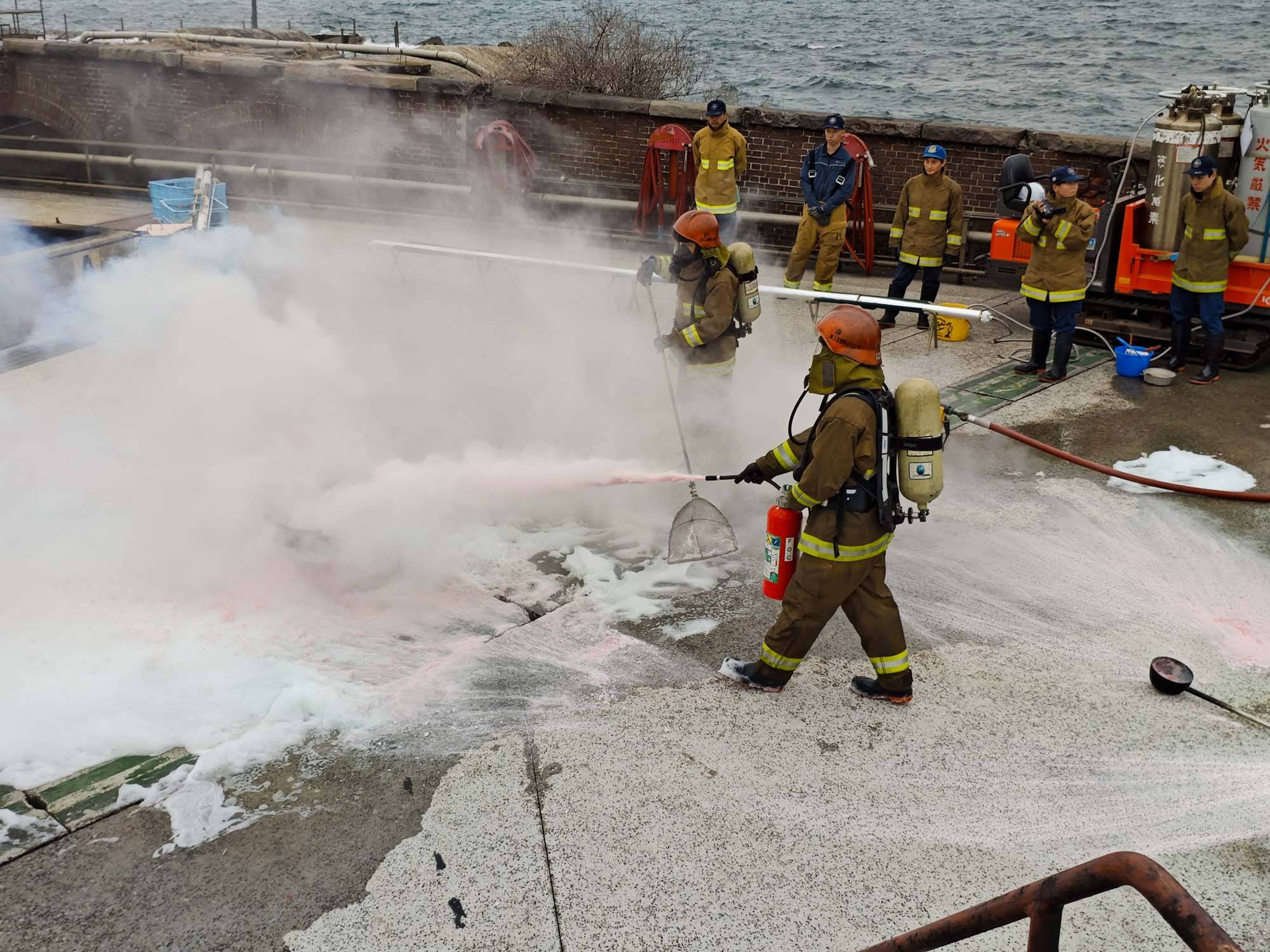
Knowledge-sharing platforms, including a recent seminar in Singapore that showcased innovative training methods such as simulators, virtual reality tools, and methanol firefighting drills.
Through these combined actions, the IMO is reinforcing its commitment to equip seafarers with the skills required for a safer, greener, and more resilient maritime sector.