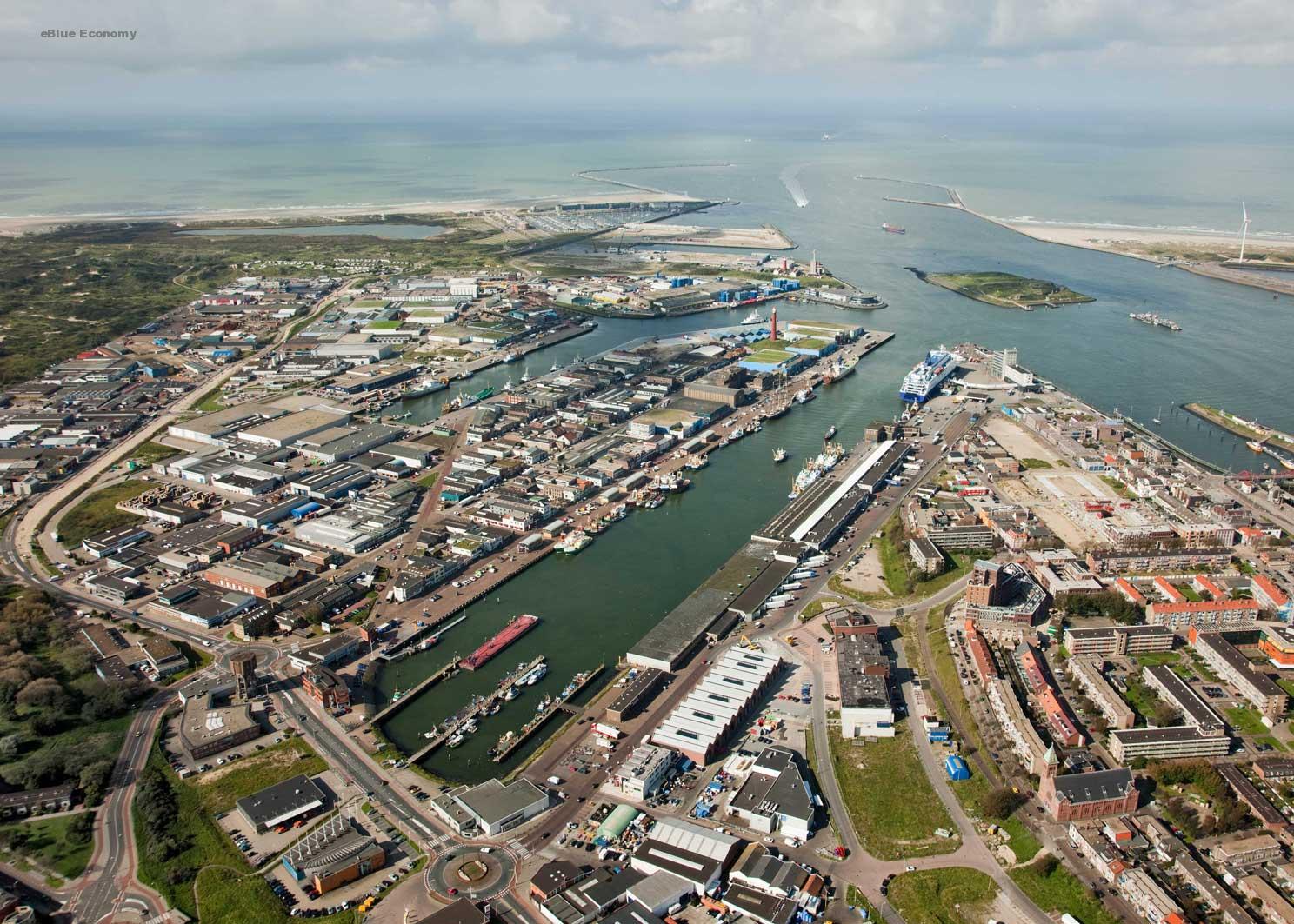
The total transhipment in 2020 for the North Sea Canal ports (Beverwijk, IJmuiden, Zaanstad and Amsterdam) amounted to about 91 million tonnes compared to 105 million tonnes in 2019
The port of Amsterdam experienced a decrease in transhipment in 2020 for the first time in a long time. While transhipment was at a record high in 2019 at 86.9 million tonnes, in 2020 this number was 74.3 million tonnes, a 14% decrease, for the port of Amsterdam.
It wasn’t only the coronavirus that caused the reduced transhipment numbers; it was primarily the energy transition that resulted in a significant decrease in coal transhipment in 2020. The other ports in the North Sea Canal area primarily felt the consequences of the coronavirus crisis. The total transhipment in 2020 for the North Sea Canal ports (Beverwijk, IJmuiden, Zaanstad and Amsterdam) amounted to about 91 million tonnes compared to 105 million tonnes in 2019.
According to the provisional transhipment
In IJmuiden, transhipment decreased by 4% to 16 million tonnes. Beverwijk also saw transhipment decrease, from 648,000 tonnes to around 472,000 tonnes. Zaanstad experienced a slight increase from 194,000 tonnes compared to 180,000 tonnes in 2019. This is according to the provisional transhipment figures published today. The final transhipment figures will be announced later this year.

Image Credits: portofamsterdam.com
Impact of the energy transition on coal transhipment
The energy transition had major repercussions for coal transhipment this past coronavirus year, which decreased by 52% to 7.5 million tonnes in 2020 in the port of Amsterdam. In 2019 coal transhipment was still 15.6 million tonnes. Direct causes of this steep decrease were the closure of the Hemweg power plant in December 2019, the fact that more sustainable energy resources were available and that the gas price was low last year, making coal comparatively more expensive.
Impact of the coronavirus
Mobility came to a halt in mid-March, resulting in less demand for transport fuel worldwide. Transhipment of liquid bulk (mostly refined oil products such as petrol and diesel) decreased by 7% to 46.6 million tonnes in 2020 compared to 50 million tonnes in 2019. General cargo also decreased in 2020. Container cargo decreased by 13% compared to 2019 and Ro-Ro also experienced a 23% drop compared to the preceding year.