|
Getting your Trinity Audio player ready...
|
This year’s World Maritime Day carries the theme “Our Ocean, Our Obligation, Our Opportunity”, a timely reminder of the urgent responsibility to safeguard the marine environment and a call to embrace inclusivity as a driver of a sustainable maritime future, says WISTA International.
The Ocean – Our Lifeline
The oceans remain the heartbeat of our planet. They generate nearly half of Earth’s oxygen, act as a massive buffer by absorbing around 30% of global carbon dioxide emissions, and hold almost 97% of the world’s water supply. Housing some of the richest ecosystems on the planet, oceans have been called the true “lungs of the Earth.”
They regulate global climate, provide food, energy, and economic livelihoods for billions of people, and serve as the backbone of international trade, carrying about 80% of global commerce across seas and waterways. Oceans are also crucial sinks for greenhouse gases, playing a decisive role in mitigating climate change while sustaining the biodiversity that supports human survival.
The United Nations has long recognized the ocean as one of humanity’s most effective allies in the effort to keep global warming well below two degrees Celsius, in line with the Paris Agreement.
Yet, these same ecosystems are under intense pressure. Overfishing, chemical and plastic pollution, habitat destruction, and climate change are pushing marine biodiversity towards irreversible decline. The oceans, once seen as infinite, are now fragile indicators of the consequences of human exploitation.
As the largest industry operating on the ocean’s surface, the shipping sector bears a unique responsibility. It must continue to lead in protecting marine resources while preventing further degradation wherever possible.
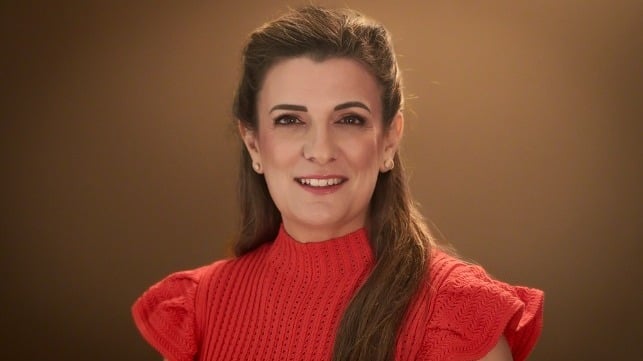
WISTA International President Elpi Petraki emphasizes: “The shipping industry is well positioned to take the lead in environmental protection. By embracing inclusivity and diversity, it can show the world how different talents and perspectives combine to generate meaningful progress.”
Our Obligation – Collective Responsibility
The maritime industry is no stranger to change. For decades it has adapted to new regulatory frameworks. In recent years, the International Maritime Organization (IMO) has strengthened its resolve to shield the marine environment from the harmful impacts of human activities.
IMO Secretary General Arsenio Dominguez, speaking ahead of World Maritime Day, warned: “Our oceans are struggling to keep pace with human pressure. Their decline is not accidental—it is driven by human activity. But that also means we hold the power to reverse the damage. It is our obligation to act together, to reduce pollution, to safeguard marine life, and to shift towards sustainable practices.”
A strong international regulatory regime has been put in place. From limiting sulfur and nitrogen emissions in the air, banning toxic antifouling hull coatings, managing invasive species carried in ballast water, and reducing ship-generated greenhouse gas emissions, the industry has been steadily moving towards cleaner and safer practices.
The IMO’s upcoming Marine Environment Protection Committee (MEPC) Extraordinary Session is expected to adopt the IMO Net-Zero Framework, a historic step toward meeting the organization’s climate ambitions and driving shipping toward decarbonization by mid-century.
Our Opportunity – Leadership Through Inclusion
However, regulations alone cannot achieve transformation. Petraki underscores the need for cultural change alongside legislative measures. Leadership must play its role—creating examples, inspiring collective action, and showing that genuine progress is possible.
“Achieving environmental sustainability requires us to challenge long-standing norms. It must be a shift toward valuing diversity and inclusive leadership,” Petraki states.
She also highlights the strong link between the United Nations Sustainable Development Goals: Goal 14 calls for the conservation and sustainable use of oceans and seas, while Goal 5 urges gender equality and the empowerment of women. Both are seen as mutually reinforcing pathways toward global sustainability.
The 2012 UN Conference on Sustainable Development reaffirmed this in “The Future We Want”, a declaration emphasizing economic stability, environmental protection, social equity, and equal opportunities for women and underrepresented groups.
Diversity, Petraki argues, strengthens decision-making. By seeking perspectives from women, young professionals, coastal communities, and island nations, the maritime industry can unlock innovations that might otherwise be overlooked. Coastal and island states in particular must be included in shaping global decisions, given their lived experiences and intimate understanding of ocean ecosystems.
When local communities are actively engaged, they are more likely to commit to sustainable practices, ensuring that global goals are implemented with regional insight and ownership.
A Call for Innovation and Collaboration
The shipping sector has already taken concrete steps to support the global transition toward decarbonization, working across borders and industries to accelerate progress. WISTA International, for its part, has launched an Environmental Committee that unites experts from across its 62 National WISTA Associations. The initiative reflects the organization’s determination to tackle the deepening climate crisis with collaborative expertise.
“Inclusion paves the way for innovation and better outcomes—for people, for the industry, and for the planet,” Petraki concludes. “World Maritime Day reminds us that our shared future depends on joint action, and together we can make a tangible difference for the generations to come.”